
REHABILITATION at PLATINUM OSTRÓDA
Choose a stay tailored to your needs
Rehabilitation and therapy programs for adults, children, and caregivers.
Check available options and choose the stay that best suits your needs.
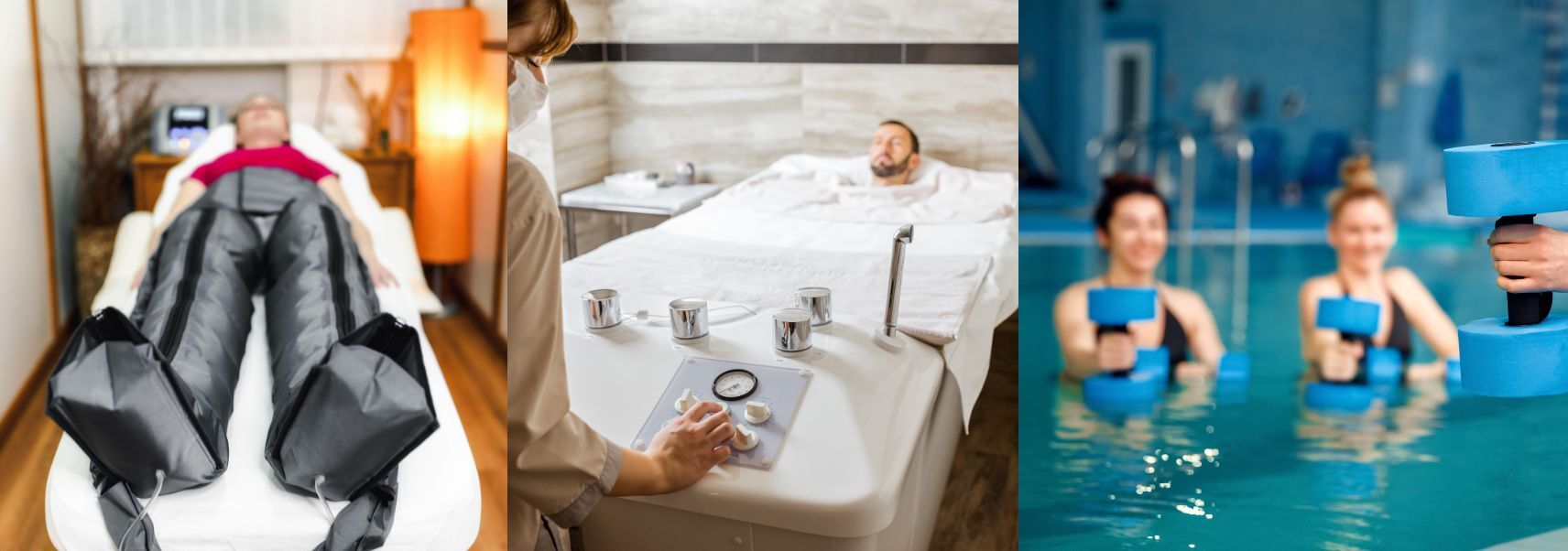
Rehabilitation & recreation camp, 15 days/14 nights
A comprehensive stay combining therapeutic treatments, activity, and relaxation, designed to enhance fitness, recovery, and overall
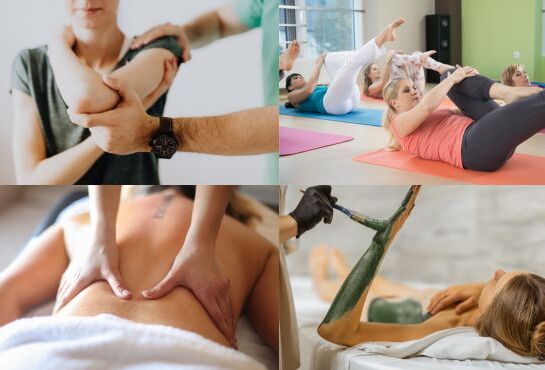
Rehabilitation & recreation stay, 7 days/6 nights
A shorter program for those who want to combine relaxation with activities and treatments that support fitness and well-being.
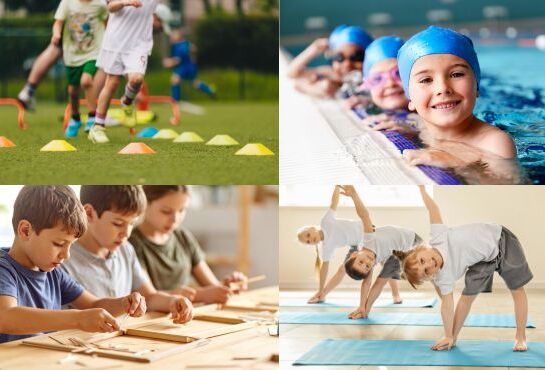
Skill development camp for a child with a guardian
15 days / 14 nights
Children and youth program combined with guardian stay. Activities promote development, activity, and independence in a safe, friendly environment.
Skill development camp for adults
15 days / 14 nights
A program focused on activity, developing independence and daily skills, complemented by relaxation and team-building activities.
Sample day of a participant
7:30–9:00 | Breakfast
A calm start to the day, preparing you for activities.
9:00–13:00 | Treatments and rehabilitation
Personalized treatments, consultations, and sessions to support fitness and
13:00–14:00 | Lunch
Time for a meal and rest.
15:00–17:00 | Activity and group classes
Movement exercises, Nordic walking, water classes, workshops, or other activities per the program.
17:00–18:00 | Relaxation time
Rest, walk, or use available recreational facilities.
Evening | Integration and rest
Entertainment, social meetings, quiet rest, or free time.

14-day rehabilitation stay
for adults
The aim of a rehabilitation retreat is to provide comprehensive support for a person with a disability in improving health, physical fitness, independence, and social integration, through participation in organized forms of rehabilitation, recreation, and psychosocial activation.
A rehabilitation retreat is not just treatment — it is a complete experience that supports the whole person: physically, mentally, and socially.
1. Improving physical and mental fitness: • through individual and group therapeutic treatments (e.g., massages, physical therapy, balneotherapy), • participation in daily outdoor and water-based movement sessions, • prevention of musculoskeletal, circulatory system, and neurological conditions.
2. Strengthening independence and life activity: • learning and reinforcing healthy movement, breathing, and relaxation habits, • participating in sessions that support coordination, balance, and motor skills, • building motivation for further rehabilitation after the retreat ends.
3. Social integration and preventing isolation: • building bonds and relationships during shared activities, workshops, and integration evenings, • supporting participants in overcoming social and emotional barriers, • preventing social exclusion.
4. Improving quality of life and psychological well-being: • strengthening self-esteem and a sense of value, • reducing stress and tension thanks to relaxation elements (yoga, SPA, music evenings), • improving mood, motivation, and interpersonal relationships.
5. Consolidating and developing the effects of specialist treatment: • continuing therapy prescribed by a doctor in leisure conditions, • appropriately matching treatments to the participant’s health condition (based on the decision/medical certificate and a medical consultation).
REHABILITATION RETREAT DATES 2026:
11 - 25 October 22 November - 06 December 06 - 20 December
REHABILITATION RETREAT PROGRAM OUTLINE
14-day rehabilitation stay for a child with a guardian
Improvement of the child’s physical fitness and overall condition: individual and group rehabilitation sessions tailored to the child’s age and needs (including kinesiotherapy, hydrotherapy, massages), physical exercises and movement games outdoors and in the water, preventive activities supporting the musculoskeletal system, circulation, and the nervous system.
2. Strengthening the child’s independence and activity: learning simple, everyday activities in an atmosphere of play and support, sessions developing coordination, balance, and fine motor skills, shared activities of the child and caregiver strengthening motivation for further therapy.
3. Shared integration and building relationships: participation in group sessions, workshops, and integration games, spending time together as a parent and child with other families, shaping open-minded attitudes, empathy, and cooperation within the group.
4. Emotional support and psychological well-being: relaxation and calming sessions (e.g., music therapy, children’s yoga, aromatherapy),strengthening a sense of safety, self-esteem, and a positive attitude, shared moments of ease in the wellness area and during art sessions.
5. Continuing therapy and consolidating treatment effects: individual selection of treatments based on a medical certificate and specialist consultation, cooperation with therapists and caregivers to reinforce rehabilitation outcomes, support for caregivers in terms of care and continuing therapy after the end of the stay.
Framework program of the rehabilitation stay for a child with a caregiver
Price list for the rehabilitation stay for a child with a caregiver
PFRON funding
How to obtain funding?
1. Submit an application
Applications are submitted at the PCPR for your residence or a social rehabilitation unit. You can also use the electronic Support Service System SOW.
2. Attach required documents
Include the referral for the stay from a doctor and a copy of the disability certificate with the application.
3. Receive the funding decision
After approval, the participant chooses a provider and center authorized to conduct the stay.
4. Choose a date at Platinum Ostróda
Once funded, contact us to check availability and book your stay.
Frequently asked questions
Copy_Copy_Copy_Price of the day – PF flexible offer
Andrzejki w Hotelu Platinum
Copy_Spring & Reset
AQUA RELAX Package
Copy_Price of the day – PF flexible offer
Non-refundable BUSINESS BB Offer
Copy_AQUA RELAX Package
NON-REFUNDABLE offer breakfast|pool1h
FLEXIBLE offer|breakfast|pool 1h